
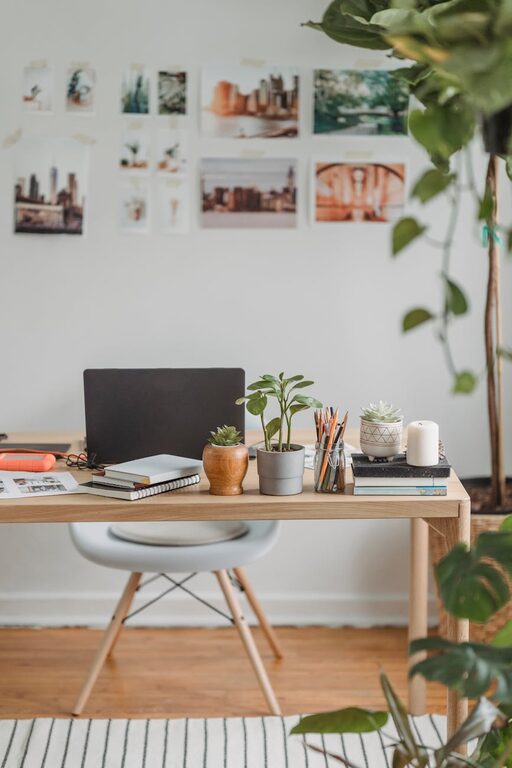
Creating a home workspace that is both sustainable and organised can greatly improve your productivity and overall well-being. Whether you work remotely full-time or occasionally need a dedicated spot for tasks and projects, a thoughtfully arranged workspace supports focus, creativity, and comfort. Plus, by incorporating sustainable practices, you reduce your environmental impact while creating an inspiring place to work. This guide offers practical tips to help you design a home workspace that is green, tidy, and efficient.
Why Choose a Sustainable and Organised Workspace?
A sustainable workspace uses resources wisely, minimises waste, and promotes healthier choices for you and the planet. Organisation helps reduce clutter and distractions, making it easier to concentrate and find what you need. Combining these approaches not only benefits the environment but also supports your mental clarity and daily comfort.
—
Planning Your Sustainable Workspace
1. Choose the Right Location
Selecting a spot with ample natural light and good ventilation is key. Natural daylight boosts mood and reduces the need for artificial lighting. A space near a window also invites fresh air, improving air quality and alertness.
2. Opt for Eco-Friendly Furniture
Look for desks and chairs made from recycled or sustainably sourced materials. Solid wood furniture with certifications like FSC (Forest Stewardship Council) ensures responsible forestry. Buying secondhand pieces is also a great way to reduce waste and save money.
—
Setting Up for Organisation
1. Declutter Regularly
Start by removing unnecessary items from your workspace. Keep only what you use frequently on your desk to avoid distractions. Decluttering creates a cleaner, calmer environment and helps maintain focus.
2. Make Use of Storage Solutions
Incorporate storage options such as shelves, boxes, and drawer organisers to keep supplies neat and accessible. Label containers to quickly identify contents and avoid searching.
3. Digital Declutter
Keep your computer files organised by creating clear folders and deleting unused documents. Streamlining your digital workspace lowers stress and saves time.
—
Sustainable Supplies and Practices
1. Choose Reusable Stationery
Invest in refillable pens, mechanical pencils, and refillable notebooks. Avoid disposables and opt for recycled paper products when stationery is needed.
2. Minimise Paper Use
Shift to digital note-taking, invoicing, and document storage wherever possible. Printing only when necessary conserves paper and reduces clutter.
3. Use Energy-Efficient Lighting
Replace traditional bulbs with LED or CFL bulbs that consume less electricity and have longer lifespans. Use task lighting to reduce overall lighting needs.
—
Incorporate Green Elements
1. Add Indoor Plants
Plants improve air quality, add a touch of nature, and reduce stress. Choose easy-care varieties such as spider plants, succulents, or peace lilies.
2. Use Natural Cleaning Products
Keep your workspace clean with eco-friendly, non-toxic cleaning supplies that reduce indoor pollution and environmental harm.
—
Maintain Your Workspace Habitually
1. Establish a Daily Tidying Routine
Spend a few minutes each day organising and sanitising your desk. This habit keeps clutter at bay and your workspace welcoming.
2. Review and Improve Periodically
Every few months, reassess your setup to ensure it remains convenient and aligned with sustainable practices. Update supplies and furniture as needed.
—
Benefits of a Sustainable, Organised Workspace
– Increased Productivity: A tidy environment helps maintain focus and reduces wasted time.
– Better Health: Natural light, fresh air, and cleaner materials support your well-being.
– Environmental Impact: Choosing sustainable products conserves resources for the future.
– Cost Savings: Durable furniture and reusable supplies reduce long-term expenses.
– Mental Clarity: An organised space reduces stress and fosters creativity.
—
Creating a home workspace that is both sustainable and organised is a practical way to enhance your work life and support the planet. With a few small changes—like choosing eco-friendly furniture, decluttering regularly, and bringing in natural elements—you can craft a productive, inspiring environment that feels good to work in every day. Start with one or two tips today and enjoy the positive impact on your home office and beyond!
