Working from home offers flexibility, but it also demands a dedicated environment to stay productive. Creating a home office that encourages focus and reduces distractions is essential for getting the best out of your workday. Whether you have a dedicated room or a small nook in your living space, this guide will help you design a productive home office environment.
1. Choose the Right Location
Selecting the right spot for your home office is crucial. Ideally, you want a quiet area away from high-traffic zones like the kitchen or lounge. If possible, choose a room with a door to minimise interruptions during work hours.
Tips:
– Use a spare bedroom, guest room, or a corner in your home with natural light.
– Avoid working from your bed or sofa, which can blur the line between work and rest.
– If space is limited, consider room dividers or screens for a sense of separation.
2. Invest in an Ergonomic Setup
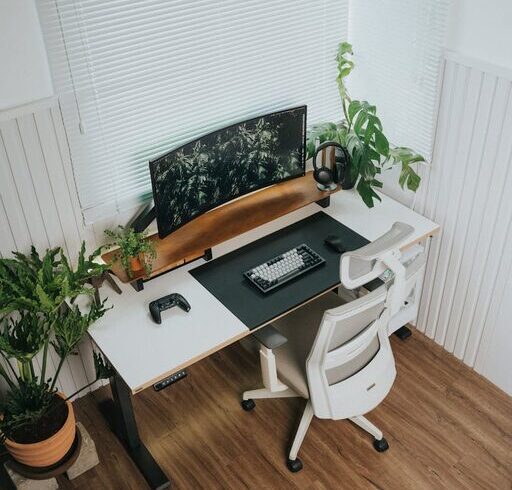
Comfort is key when working for extended periods. An ergonomic workspace helps prevent strain and improves focus.
Essentials include:
– Adjustable chair: Supports your lower back and encourages good posture.
– Desk at correct height: Allows your arms to rest comfortably at a 90-degree angle.
– Monitor at eye level: Reduces neck and eye strain.
– Keyboard and mouse placement: Should be within easy reach, avoiding stretching.
Adding a footrest or wrist support can further enhance comfort.
3. Optimise Lighting
Good lighting reduces eye fatigue and lifts your mood. Natural light is best, so position your desk near a window if possible. However, be aware of glare on your screen.
Lighting tips:
– Use sheer curtains to soften harsh sunlight.
– Choose adjustable desk lamps with warm or neutral light.
– Avoid overhead lighting alone; combine it with task lighting for balanced illumination.
4. Minimise Distractions
To maintain concentration, manage both visual and auditory distractions.
Strategies:
– Use noise-cancelling headphones or white noise machines if your area is noisy.
– Keep your workspace tidy; clutter can be a source of distraction and stress.
– Set boundaries with family or housemates about your working hours.
5. Organise Your Desk Effectively
An organised desk saves time and reduces frustration.
Organising tips:
– Only keep daily essentials on your desk.
– Use cable management tools to prevent tangled wires.
– Add organisers for stationery, documents, and electronic devices.
– Incorporate storage solutions like shelves or filing cabinets nearby.
6. Personalise Your Space
Personal touches can make your workspace welcoming and motivating.
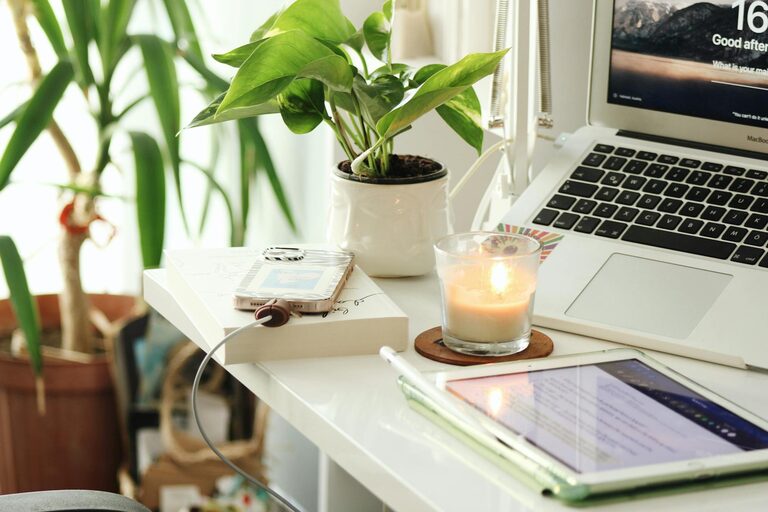
– Add plants to improve air quality and create a fresher environment.
– Display inspiring quotes, photos, or artwork.
– Choose colours that energise or soothe you; blues and greens are often recommended for calmness.
7. Maintain a Routine and Take Breaks
A physical space supports productivity, but routines reinforce it.
– Set clear working hours and stick to them.
– Take regular breaks to stretch and rest your eyes.
– Use apps or timers to remind you to stand or move.
– Avoid eating meals at your desk to give your mind a pause.
8. Ensure Reliable Technology
Technology is at the heart of most home offices, so make sure yours runs smoothly.
– Invest in a good-quality internet connection.
– Keep software and hardware updated.
– Have a backup plan, such as offline work options or alternative connectivity.
– Consider accessories like a second monitor to boost efficiency.
9. Keep Ventilation and Temperature Comfortable
Comfortable air quality and temperature help you stay alert.
– Open a window regularly to air the room.
– Use fans or heaters as needed to maintain a comfortable temperature.
– Consider an air purifier if your home is prone to dust or allergens.
Conclusion
Creating a productive home office environment is about combining comfort, organisation, and personal preferences. By choosing the right location, investing in ergonomic furniture, controlling lighting and distractions, and maintaining good habits, you can turn any space into a focus-friendly workspace. Remember, small changes can make a big difference in how you feel and perform throughout your workday. Start by assessing your current setup and gradually implement these tips for a more productive home office.