
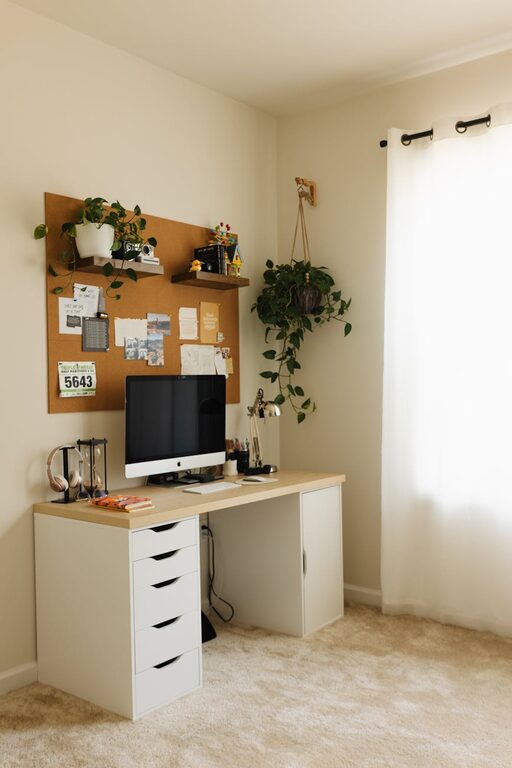
Creating a home office that is both cosy and productive can significantly enhance your work-from-home experience. Whether you have a dedicated room or a small corner, thoughtful design and organisation can help you stay comfortable and focused. In this post, we explore practical tips to help you craft a welcoming workspace that supports your productivity.
Why a cosy home office matters
A comfortable, inviting workspace can reduce stress and increase your motivation to work. When your environment feels pleasant and functional, it’s easier to maintain focus and tackle your daily tasks efficiently. Moreover, a well-designed space can inspire creativity and improve your overall well-being during work hours.
Choosing the right location
Find a quiet spot
Select a spot in your home where you’re least likely to be interrupted. If possible, choose a separate room or a quiet corner away from high-traffic areas. This helps to mentally separate work from leisure time.
Consider natural light
Natural light boosts mood and energy. Position your desk near a window to take advantage of daylight. If that’s not possible, invest in good quality lighting that mimics natural light, such as adjustable desk lamps with warm and cool settings.
Furniture and layout
Invest in a comfortable chair
An ergonomic chair supports your posture and prevents discomfort during long working hours. Look for adjustable options that provide lumbar support, armrests, and a comfortable seat.
Choose a suitable desk
Select a desk size that fits your space but still offers enough surface area for your computer, paperwork, and other essentials. Consider height-adjustable desks if you’d like to alternate between sitting and standing.
Organise for efficiency
Arrange frequently used items within easy reach. Use drawers, shelves, and organisers to keep clutter off your desk. A tidy workspace helps maintain focus and reduces distractions.
Creating a cosy atmosphere
Personalise your space
Add decorative touches that make the space feel welcoming, such as cushions, rugs, or artwork. Plants are an excellent addition—they improve air quality and bring a touch of nature indoors.
Use soothing colours
Colours can influence mood and concentration. Soft, muted tones like light blues, greens, or pastels create a calming backdrop that supports focus.
Manage noise distractions
Consider noise-cancelling headphones or white noise machines if you’re in a noisy environment. Soft background music may also help some people concentrate.
Enhancing productivity with technology
Reliable internet connection
A stable and fast internet connection is crucial for video calls, online collaboration, and research. If necessary, upgrade your router or use an ethernet connection for consistency.
Efficient equipment setup
Keep cables organised with clips or trays to avoid a tangled mess. Invest in a second monitor if your work involves multitasking or large projects, which can increase your efficiency.
Use productivity tools
Apps and software like calendars, task managers, and note-taking tools can help you stay organised and on track. Choose tools that fit your personal workflow and preferences.
Maintaining work-life balance
Set boundaries
Define your working hours and communicate them to others in your household. This helps to reduce interruptions and keeps your work and personal life separate.
Take breaks
Incorporate regular breaks to rest your eyes, stretch, or take a short walk. Physical movement and fresh air can boost your energy and creativity.
Keep the space for work only
Avoid using your home office for non-work activities like watching TV or gaming. Keeping the space dedicated to work reinforces a professional mindset.
Final thoughts
Creating a cosy and productive home office is about balancing comfort with functionality. By choosing the right location, investing in quality furniture, and personalising your space, you can enhance your work experience and well-being. With a few thoughtful changes, your home office can become a place you look forward to spending time in each day.
