
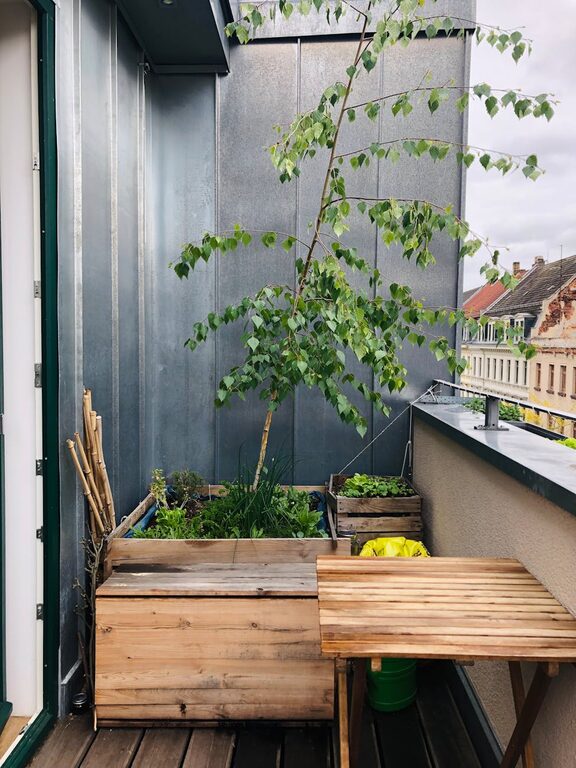
Creating a sustainable garden in a small urban space might seem challenging, but with the right approach and a bit of creativity, it’s entirely possible to cultivate a thriving green area that benefits both you and the environment. Whether you have a compact balcony, a small patio, or a modest backyard, sustainable gardening can bring fresh air, beauty, and even homegrown produce to your urban lifestyle.
In this guide, we will explore practical tips and ideas to help you establish a sustainable garden that makes the most of limited space while reducing waste and environmental impact.
Why Choose Sustainable Gardening in Urban Spaces?
Sustainable gardening focuses on using methods and practices that protect the environment, conserve resources, and promote biodiversity. In urban areas, where natural green spaces can be limited, small sustainable gardens help combat pollution, improve air quality, and support local wildlife such as bees and butterflies.
Additionally, sustainable gardening encourages growing your own food and reducing reliance on commercially produced goods, which often involve carbon-intensive transportation and packaging.
Getting Started: Planning Your Urban Sustainable Garden
Assess Your Space and Conditions
Start by taking note of your available space — balcony, windowsill, rooftop, or patio — and observe sunlight patterns and wind exposure throughout the day. Most edible plants require at least 4–6 hours of direct sunlight, so make sure to choose a spot that provides enough light.
Choose Suitable Containers and Materials
Opt for durable, eco-friendly containers made from recycled or natural materials like terracotta, wood, or metal. Avoid single-use plastics when possible. Using vertical planters or hanging baskets can maximise space and add a decorative touch.
Plan Your Plant Selection
Select plants that are well suited for your climate and space constraints. Native plants often require less water and maintenance. For edible gardens, herbs like basil and mint, salad greens, cherry tomatoes, and radishes are perfect for small spaces.
Key Tips for Sustainable Gardening in Small Urban Areas
1. Use Organic Soil and Compost
Healthy soil is the foundation of a sustainable garden. Use organic compost and avoid chemical fertilisers. Composting your kitchen scraps can provide rich nutrients for your plants and reduce household waste.
2. Harvest Rainwater and Reduce Water Use
If possible, collect rainwater in barrels to water your plants naturally. Use watering cans instead of hoses to minimise water waste. Mulching around plants also helps retain soil moisture.
3. Opt for Native and Pollinator-Friendly Plants
Native plants are adapted to your local environment and often need less water and care. Including flowers that attract bees, butterflies, and other pollinators supports urban biodiversity and helps your garden thrive.
4. Practice Companion Planting
Certain plants grow better when planted next to each other, improving growth and preventing pests naturally. For example, planting marigolds alongside tomatoes can deter harmful insects.
5. Minimise Waste with Recycled and Upcycled Items
Turn old containers, wooden pallets, or broken furniture into planters or garden features. This reduces waste and gives a personalised touch to your garden.
6. Grow Edible Plants and Herbs
Growing your own fresh herbs and vegetables saves money, reduces packaging waste, and provides a rewarding gardening experience. Start small with hardy, fast-growing plants.
7. Maintain Your Garden Regularly
Regular pruning, watering, and pest control help keep your garden healthy and sustainable. Choose natural pest remedies like neem oil or soap sprays instead of harmful pesticides.
Overcoming Common Challenges
Limited Space
Think vertically with trellises, shelves, or wall-mounted planters. Small raised beds or stacked containers can greatly increase your growing area.
Low Light
If your space receives little sunlight, focus on shade-tolerant plants such as leafy greens, ferns, or herbs like parsley and chives.
Pollution and Dust
Keep plants clean by gently wiping leaves with a damp cloth and choose hardier species that tolerate urban pollution better.
Benefits Beyond the Garden
A sustainable urban garden not only provides fresh produce and beauty but also plays a part in improving mental health, encouraging community interaction, and contributing to a more sustainable city.
Final Thoughts
Even the tiniest urban spaces can be transformed into thriving, eco-friendly gardens by following sustainable principles. With thoughtful planning, organic practices, and regular care, you’ll create a vibrant green space that benefits both you and the environment — all within the heart of the city.
Happy gardening!
